Inspiration
What is gold?
✨Gold is a metal.
✨Gold is an element with a chemical symbol of Au and an atomic number of 79 on the periodic table.
✨Gold is solid at room temperature, with a high melting point.
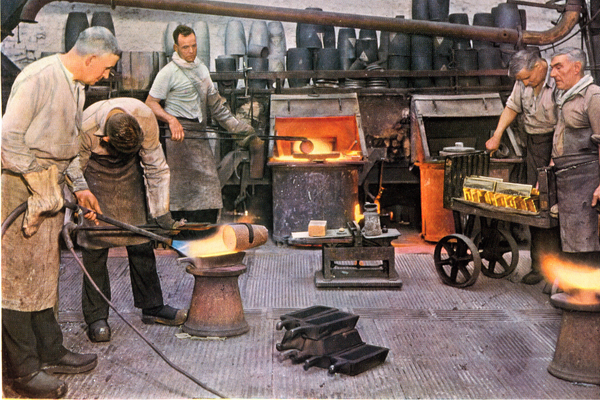
✨Gold is very malleable. This means that when it is heated it becomes soft and workable. It is endlessly reusable and can be recycled many times.
✨Gold is shiny, resistant to corrosion and the colour doesn’t fade.
✨Gold is rare, which is why it is so expensive!
Where does gold come from?

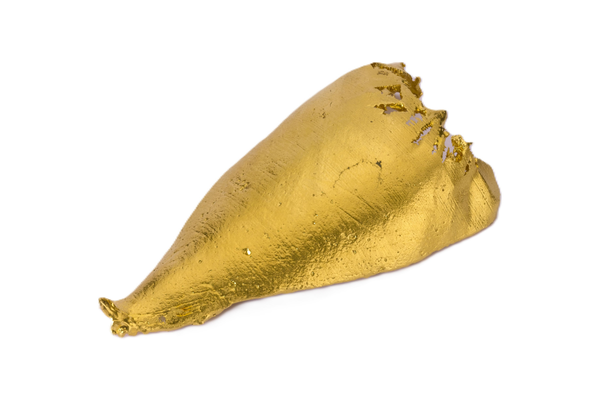
Like other minerals, gold is found naturally in rocks around the planet. It was formed when exploding stars cast elements into space, reached the earth through meteorites that landed deep in the ground, and then slowly formed into gold as the earth’s crust shifts and moves. All of these processes have taken place over billions of years.
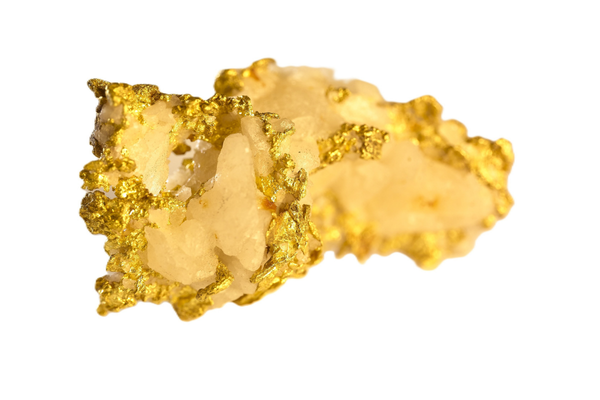
Gold is hard to mine as it is not very visible. Gold mining can be difficult and dangerous work, often damaging to the people and communities engaged in it. Such is our love for gold that, despite how difficult it is, there are gold mines on every continent except Antarctica.
The deepest underground mine is Mponeng Gold Mine in South Africa which is almost four kilometres below the surface. That’s the same as the length of 40 football pitches!
How is gold used?
Gold is used as…
Currency – Gold has been turned into coins since ancient times. Even though we no longer use gold for coins, governments and banks keep gold bars in vaults to prove they have enough physical wealth to match their notes and coins. This is called a ‘gold reserve’ and has been used to pay national debts. During the first six months of the Second World War, spies in Operation Fish secretly shipped 100 tonnes of gold bars from Britain to Canada to protect British gold reserves.
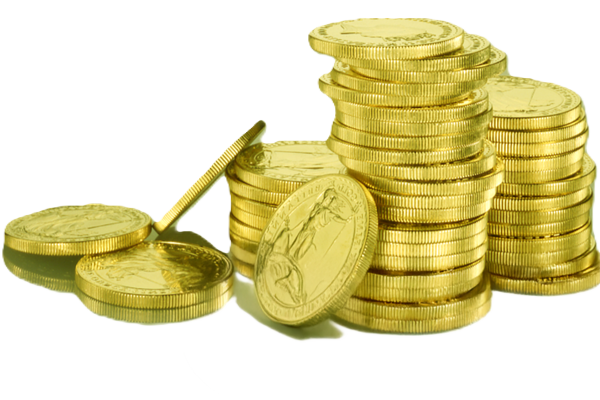
Jewellery – Around half of all current gold supplies have been used to make beautiful pieces of jewellery that people wear.
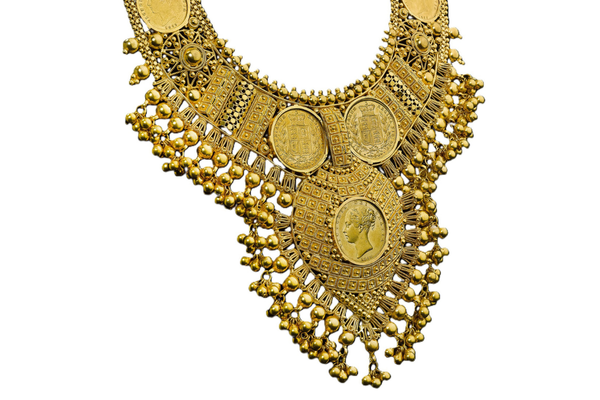
Status Symbol – As it is expensive, people use gold to show how wealthy they are or to show if they have achieved something amazing, for example a gold medal or trophy.
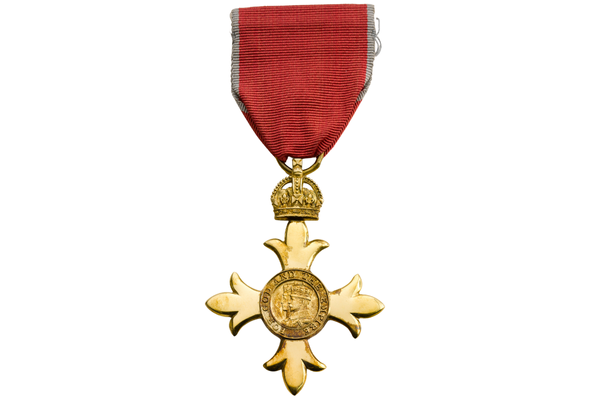
Art – For thousands of years gold has been used in paintings, intricate metal work, buildings and so much more due to its beauty and symbolic value.
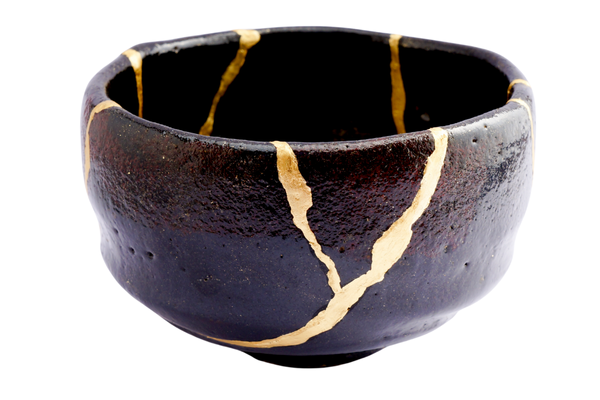
Technology – Gold is used inside mobile phones, tablets, computers and more because it is a great conductor of electricity.

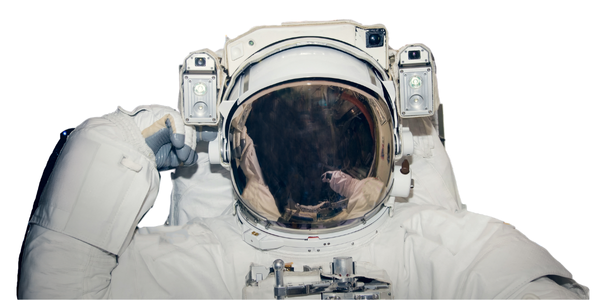
Space exploration – Gold reflects radiation from the sun and keeps temperatures stable. It is used to cover astronaut helmets, space telescopes, space vehicles and satellites.
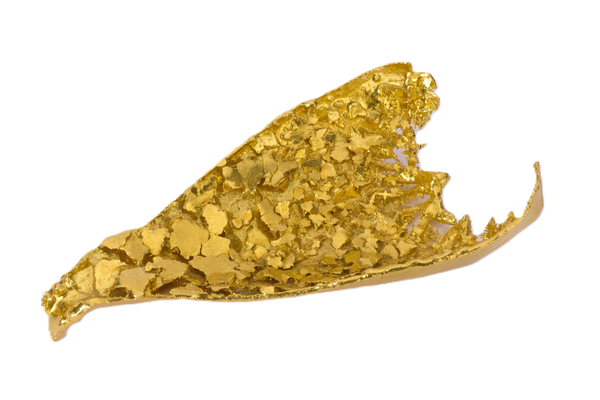
Food and drink – People eat a special form of gold called gold leaf. It is extremely thin, fragile and is used as decoration.
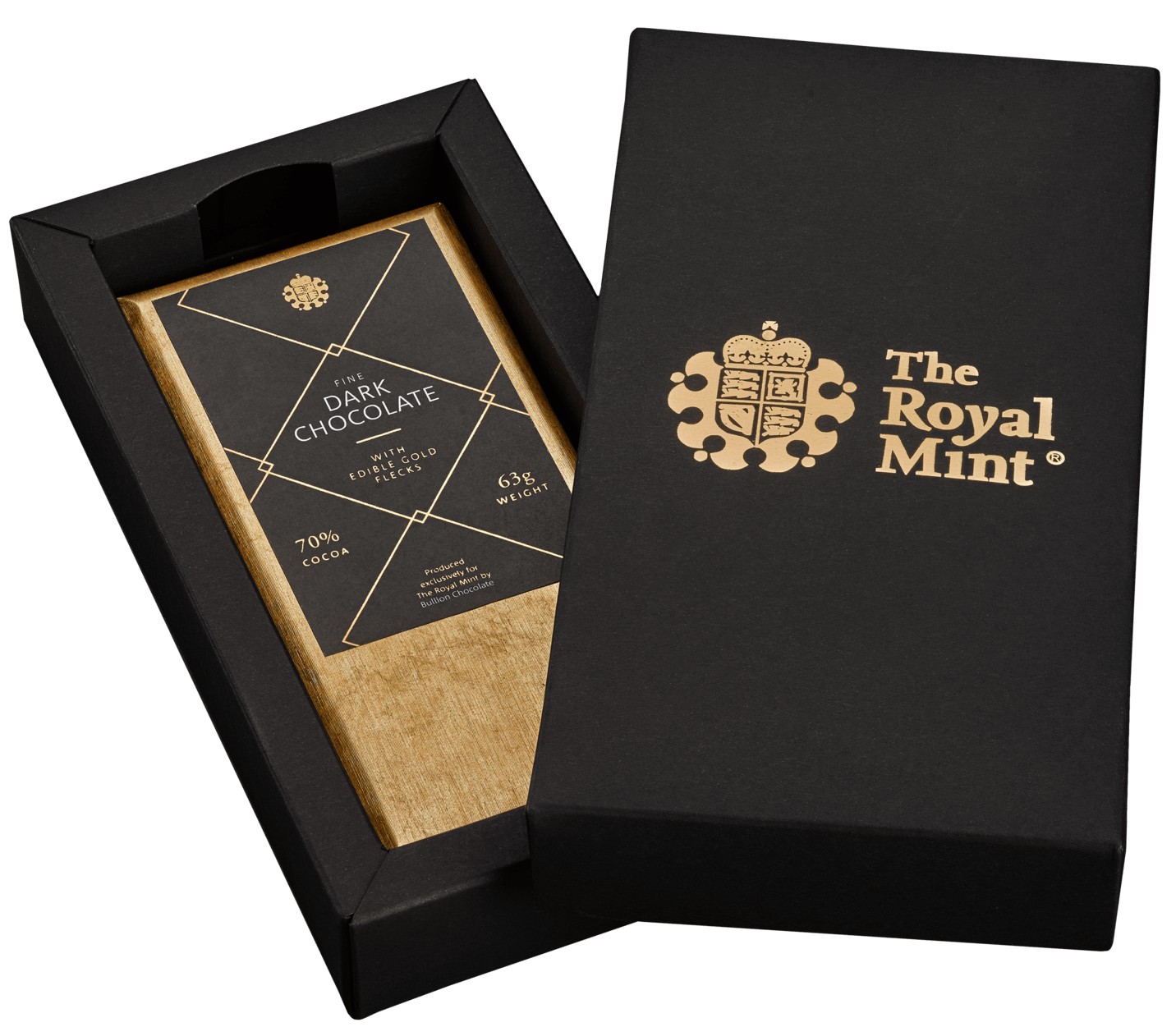
Chocolate with edible gold; The Royal Mint.
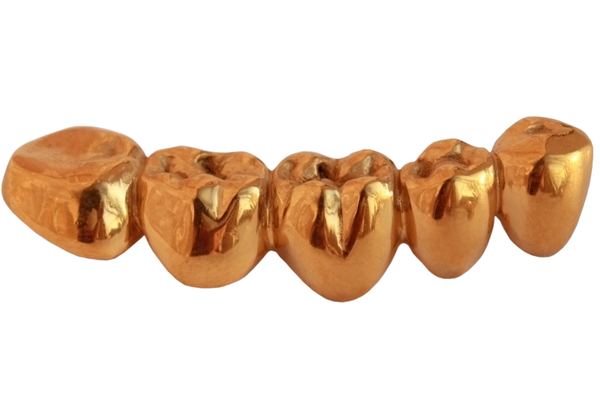
Dentistry – Have you ever seen anyone with a gold tooth? For thousands of years people have been using gold for fillings and false teeth!
How does the Royal Mint use gold?
Gold and precious metals have been central to the Royal Mint’s work for hundreds of years.
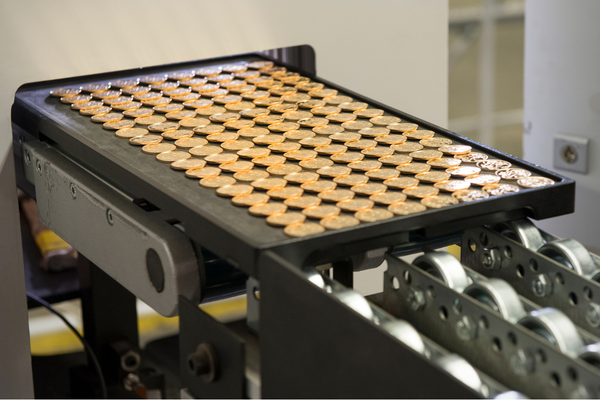
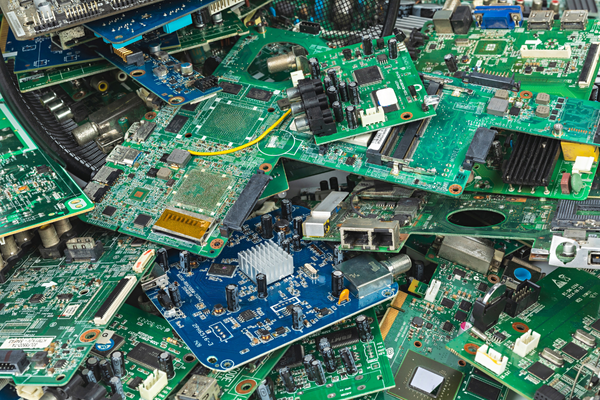
More recently, the Mint has developed a new process of recycling precious metals from electronic waste. Circuit boards are broken down and stripped of all their components so the different materials can be separated out. The Mint keeps the gold, which is stripped off the boards using a chemical process done at room temperature, meaning it uses less energy than more traditional methods of recycling that usually involve heating materials up to melt and separate them.
The Royal Mint uses gold to make:
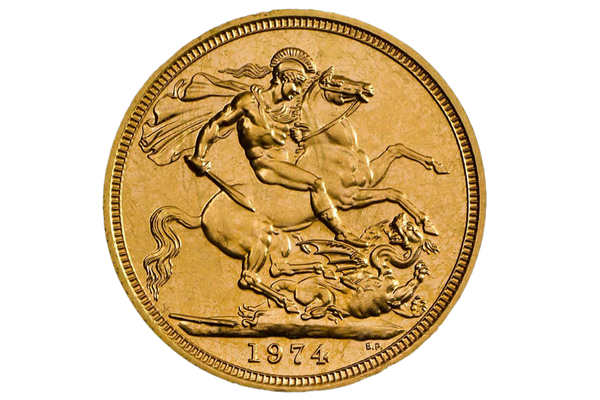
Gold coins - The finest gold coins in the world are made by the Mint, such as the sovereign. The first gold sovereign was struck for King Henry VII in 1489. At one point, the sovereign was so famous and trusted that it was accepted and used in many different countries across the world. The Mint still makes gold coins that people can buy.
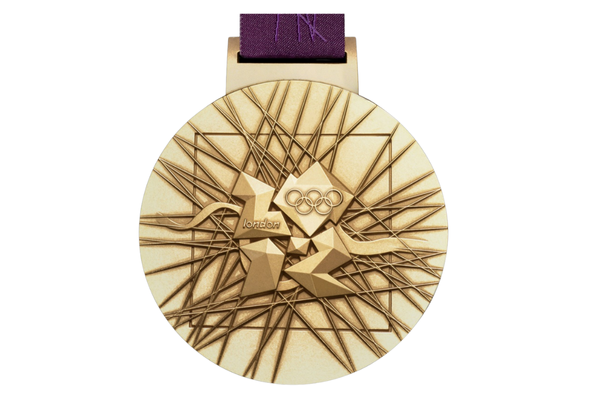
Medals – The Royal Mint made 4,700 medals for the London 2012 Olympic games. They made bronze, silver and gold medals for third, second and first place. The gold medals were not solid gold, but contained gold mixed in with silver and were then gold plated. They were very heavy!
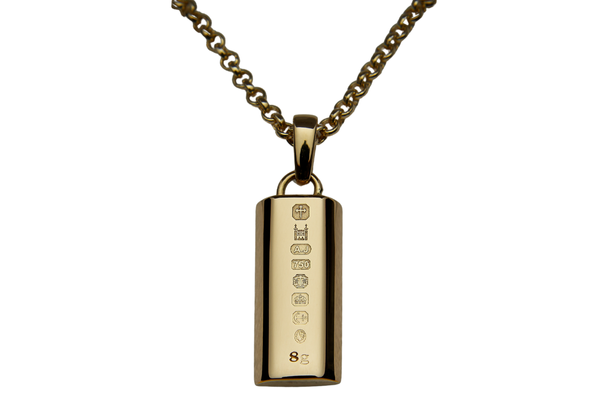
Jewellery – A jewellery range called, 886 by The Royal Mint, was created in 2022. The Mint uses coin making skills to create jewellery, crafted from gold and silver.
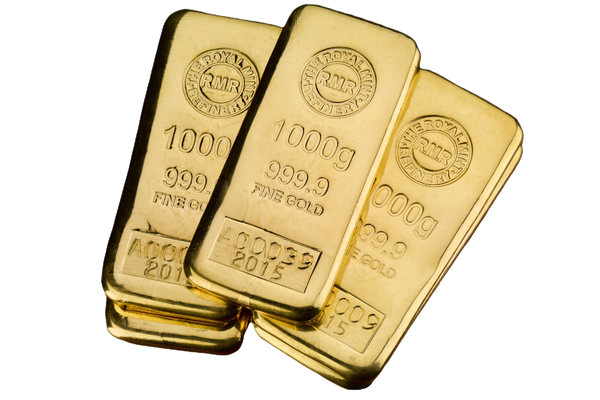
Bullion bars – Investors buy bars of silver, platinum and gold, known as ‘bullion’ bars. The Mint produces different designs and weights of them from very tiny to very big! The price of gold changes daily. You can see a live gold price chart here: https://www.royalmint.com/gold-price/
We asked our Short Story Competition judge, Dan Thomas, about his role in the Mint, and how he works with gold. This is what he said…
 Please accept cookies to watch this video.
Is there gold in the Royal Mint Museum’s collection?
There are all sorts of gold coins and objects in the Museum’s collection.
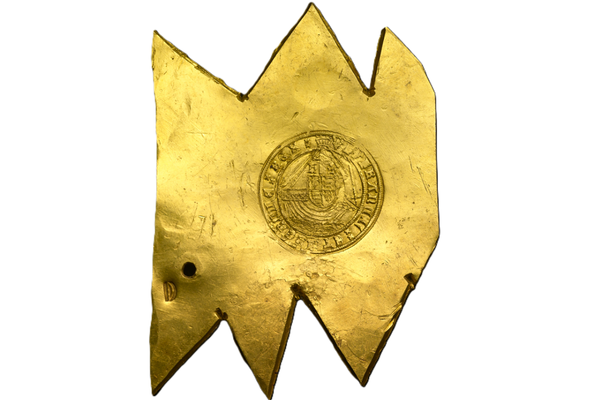
You can explore some of them here: https://royalmintmuseum.collectionsindex.com/results
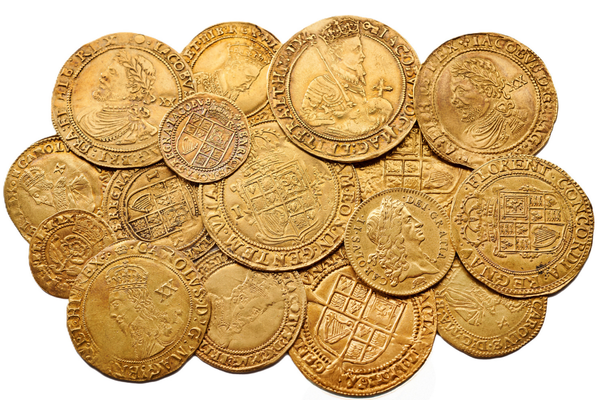
Within our collection there are coins from a gold hoard. Have you ever heard of a hoard?
A hoard is a collection of gold or other treasures that have been buried or hidden, most likely during times of danger and war. They were often meant to be temporary hiding places, and most would have been retrieved eventually. However, if the owners of the hoard died or couldn’t recover their treasure then they stayed there, hidden in the ground. People sometimes find gold hoards by accident, or with metal detectors, in fields, gardens and other places.
The Museum acquired four Iron Age gold coins called ‘staters’ from the Chute hoard of 1927, which was discovered by a small boy in Wiltshire and contained 65 gold coins! Imagine finding that!
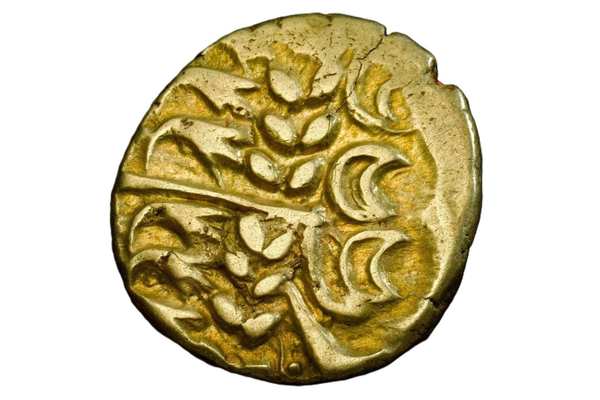
Who do you think buried these coins, and what do you think their story might be?
What stories have been told about gold?
Gold has captured imaginations throughout history and inspired numerous stories, myths and folklore.
There are fantastical stories about gold. From straw spun into gold in the fairytale Rumpelstiltskin, to the Middle Eastern folk tale of a poor young man, Aladdin, who rubbed a magic lamp to summon a genie, and Irish folklore where mischievous fairies in the form of tiny old men, called leprechauns, hide pots of gold at the end of rainbows.
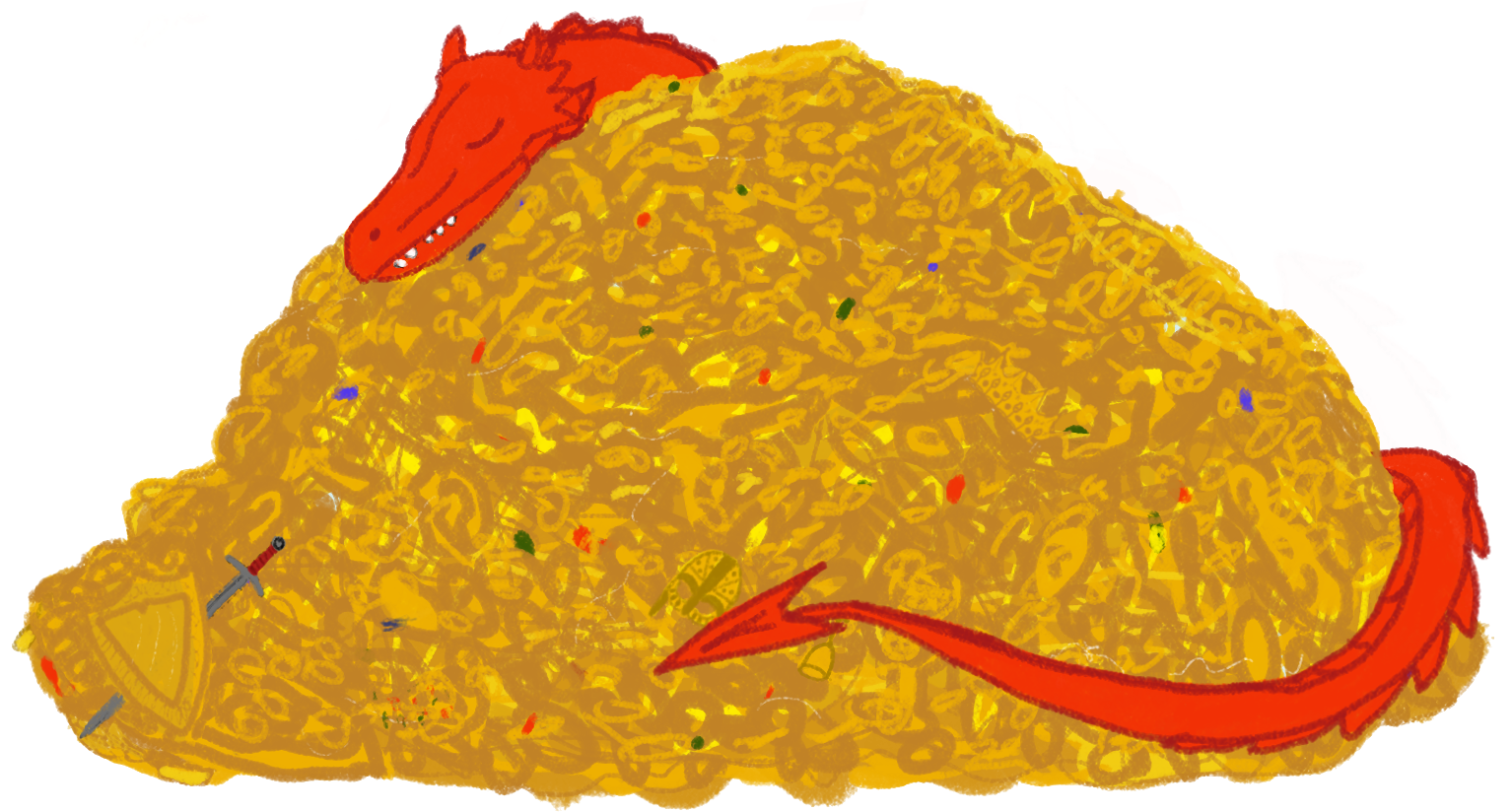
The Ancient Greeks believed dragons were giant serpents who guarded golden treasure. This myth remained popular throughout history. In the Old English poem Beowulf, a golden cup was stolen from a treasure loving dragon’s lair. In a rage the dragon burned villages, and Beowulf fought the dragon to protect his people. J. R. R. Tolkien was inspired by this poem when he wrote his children’s book, The Hobbit. In this book a dragon called Smaug spent nearly two hundred years lying on top of a stolen hoard of gold. That was until Bilbo Baggins came along, the dragon was defeated, and the treasure was split.
Finding treasure can transform lives. Stories of hidden and buried treasure, both real and fictional, have captured imaginations for centuries. In the 16th century, European explorers in North and South America tried to find gold. Their greedy search for treasure led to rapid expansion of these lands. They searched for mythical cities of gold like El Dorado, which means ‘the golden one’ in Spanish. Treasure hunting has inspired stories like Enid Blyton’s The Famous Five.
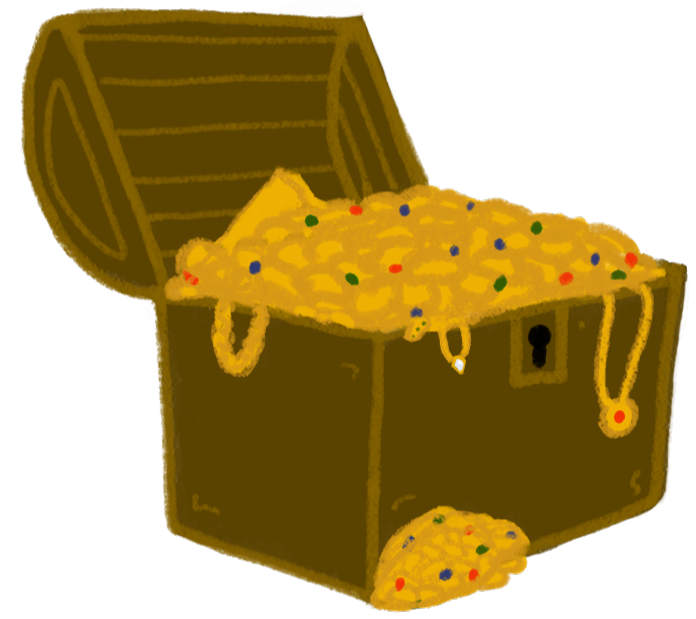
People love to read adventures about pirates searching for gold. Robert Louis Stevenson’s Treasure Island is a story of a young boy called Jim Hawkins who finds a map for buried treasure and embarks on a perilous journey onboard a pirate ship.
Gold is often used as a warning for greed. In the Welsh collection of stories, The Mabinogion, a magic golden bowl trapped characters who touched it.
The Greek myth of King Midas teaches that you must be careful what you wish for. Midas wished that everything he touched would turn into gold. His wish was granted, and he soon realised it was a curse as his food, drink and daughter turned into solid gold.
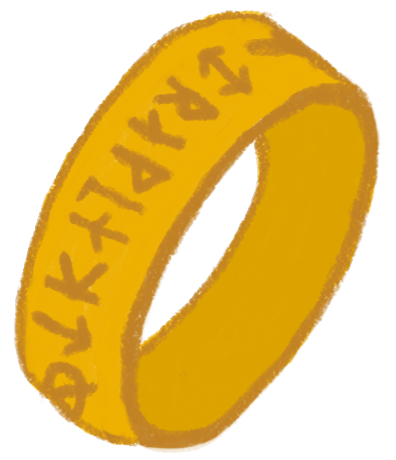
In Norse mythology, the mischievous god Loki stole a magic ring from Andvari who lived under a waterfall. The ring could help the owner find more gold. However, in revenge Andvari cursed the ring to bring misfortune to whoever possessed it.
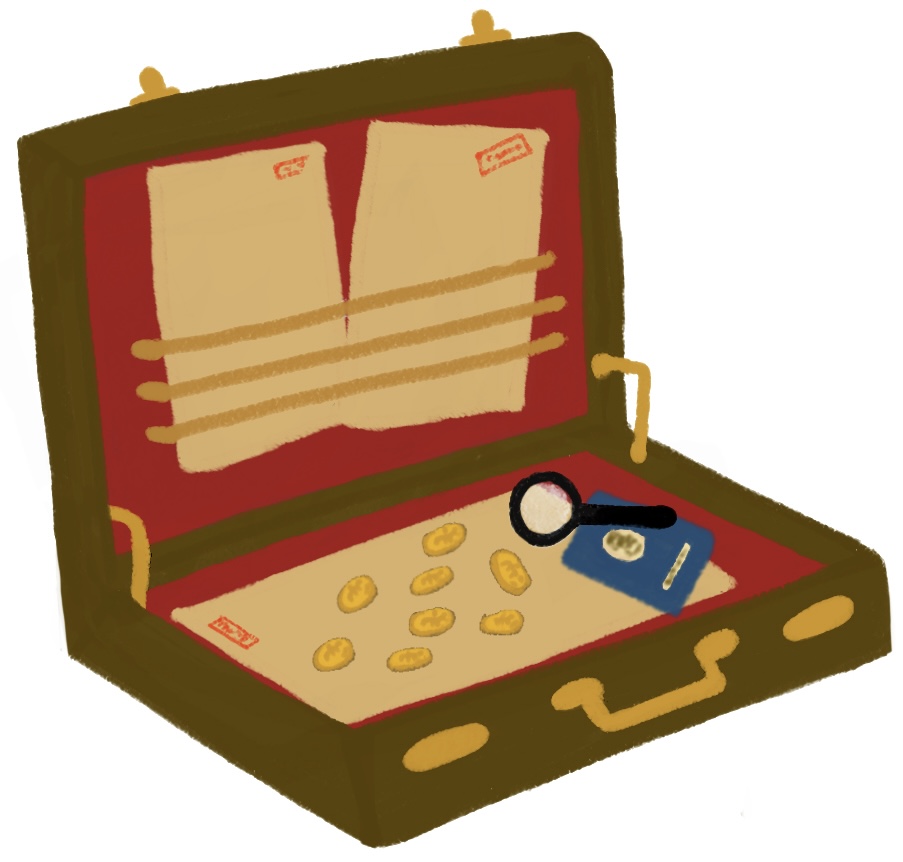
Real stories about spies have inspired writers over time, like Ian Fleming who wrote James Bond. James Bond had a secret compartment for coins in his briefcase, and this was based on real-life secret agents being given gold coins, such as sovereigns, for emergencies while on missions.
What story can you write about gold?
If you would like to, you can download our Story Guidance Worksheet to help you to plan and write your story.