
Maritime Imagery
Episode 1
Whether in warships or life saving, Britain’s naval heritage has had a lasting impact on its currency for centuries. In this episode, explore the story of British naval history through coins of the past.
Tipping a statue into a river or by chaining themselves to trees are just a few imaginative ways that protesters have come up with to get their messages across. Whilst we might be aware of the official propaganda value of our coins, we often do not associate them with protest. Yet, for those looking to give vent to their frustrations, or to get a message across, they have been an important way to do so. Whether it be Votes for Women, or Bollocks to Brexit, these acts of rebellion have power, especially when the act of defacement is done, not for political reasons, but as a way to recognise the baby that circumstances have forced you to abandon.
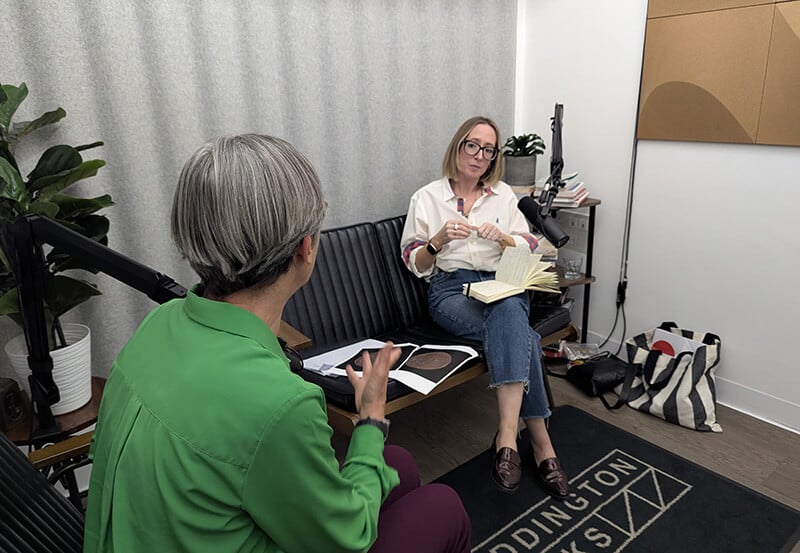
From the political to the profoundly touching, we speak with Helen Pankhurst and the Foundling Museum to see how the British public has co-opted the coinage for its own ends.
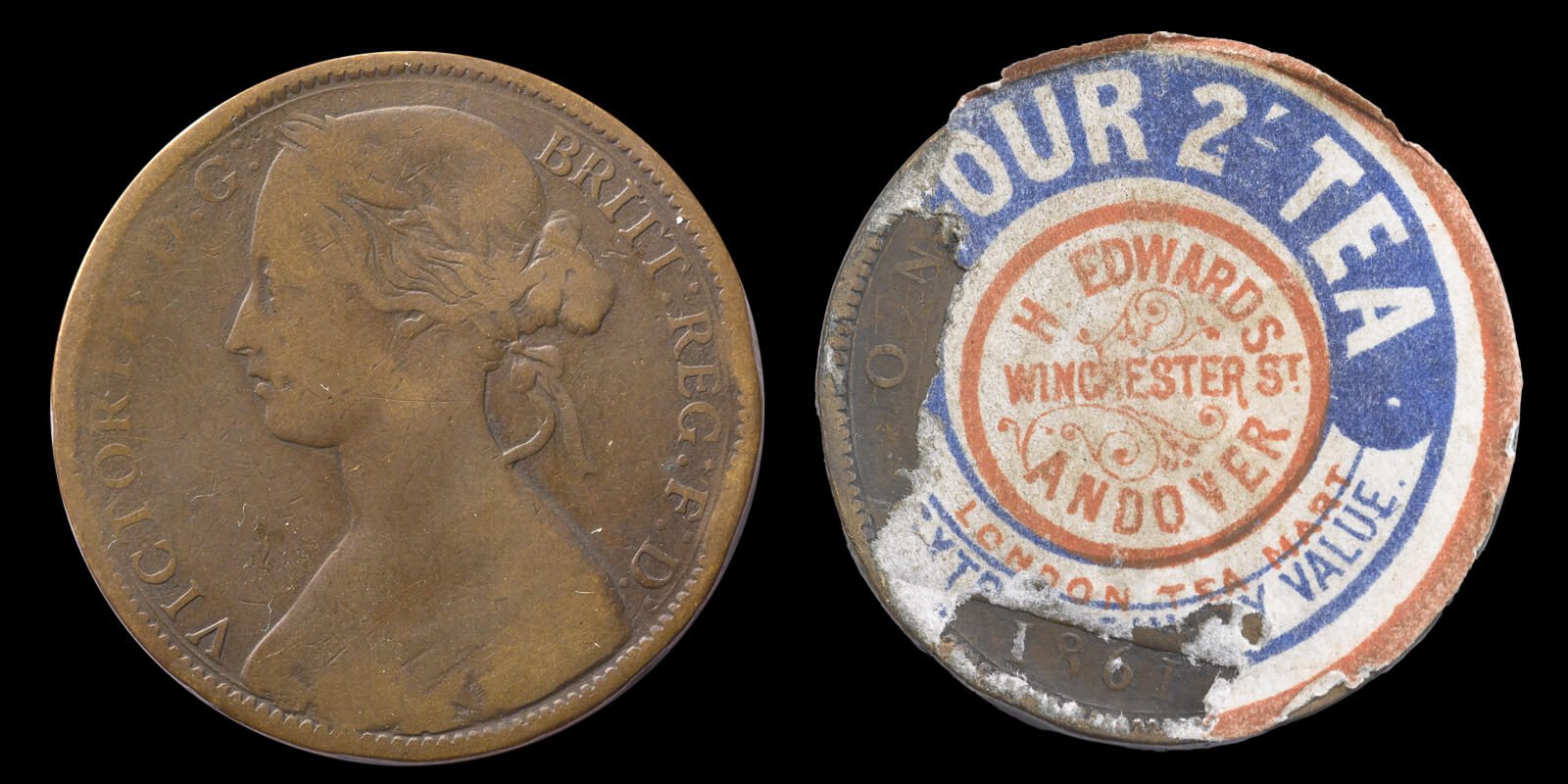
Whilst people might assume that our collection only contains perfect examples of what the Mint has made, this is far from the truth. We are also interested in how people have used, and abused, coins in circulation. Coins which feature advertising stickers, such as the one shown here, are great examples of how the public have maltreated the coinage to suit their own needs.
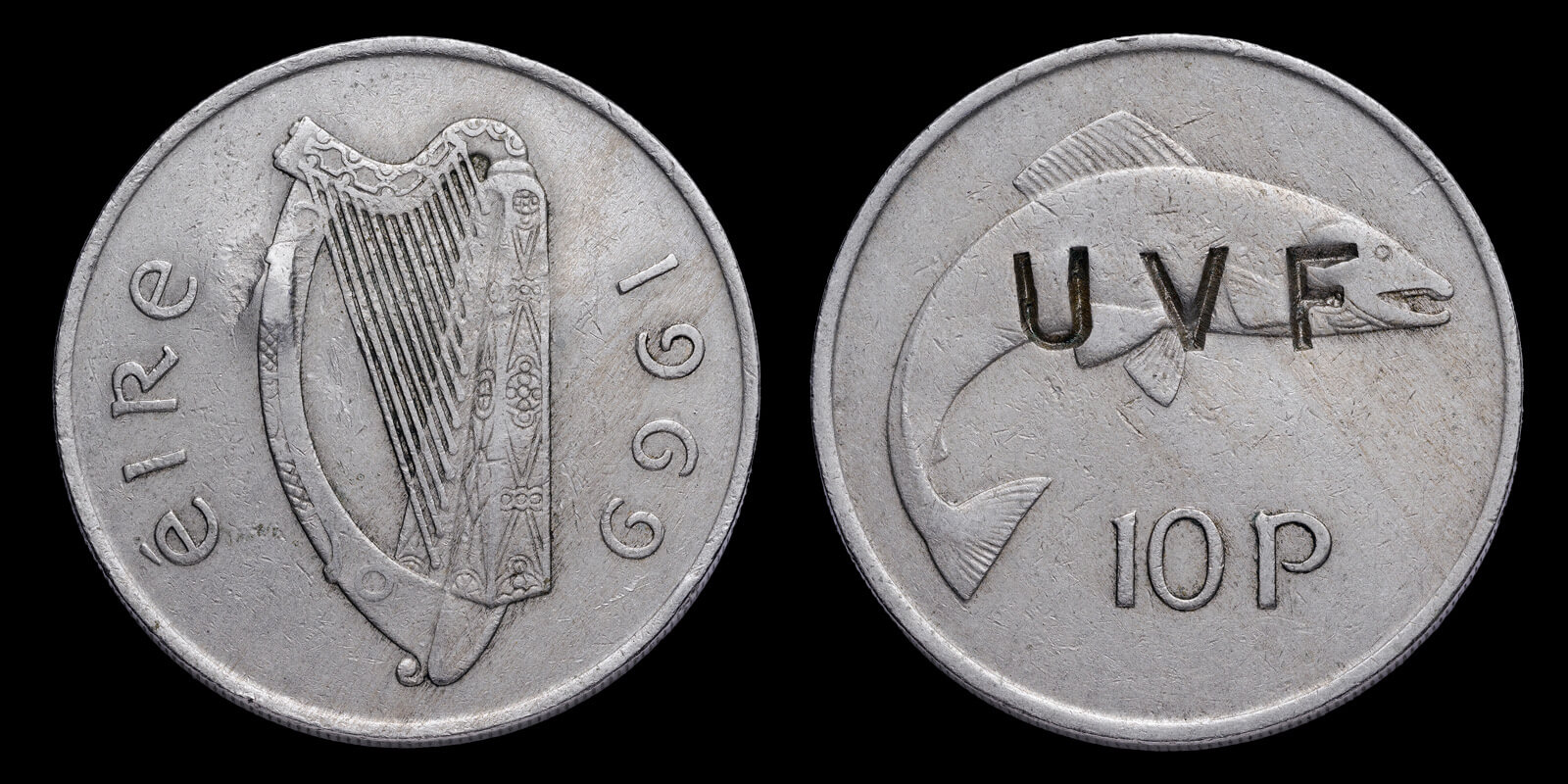
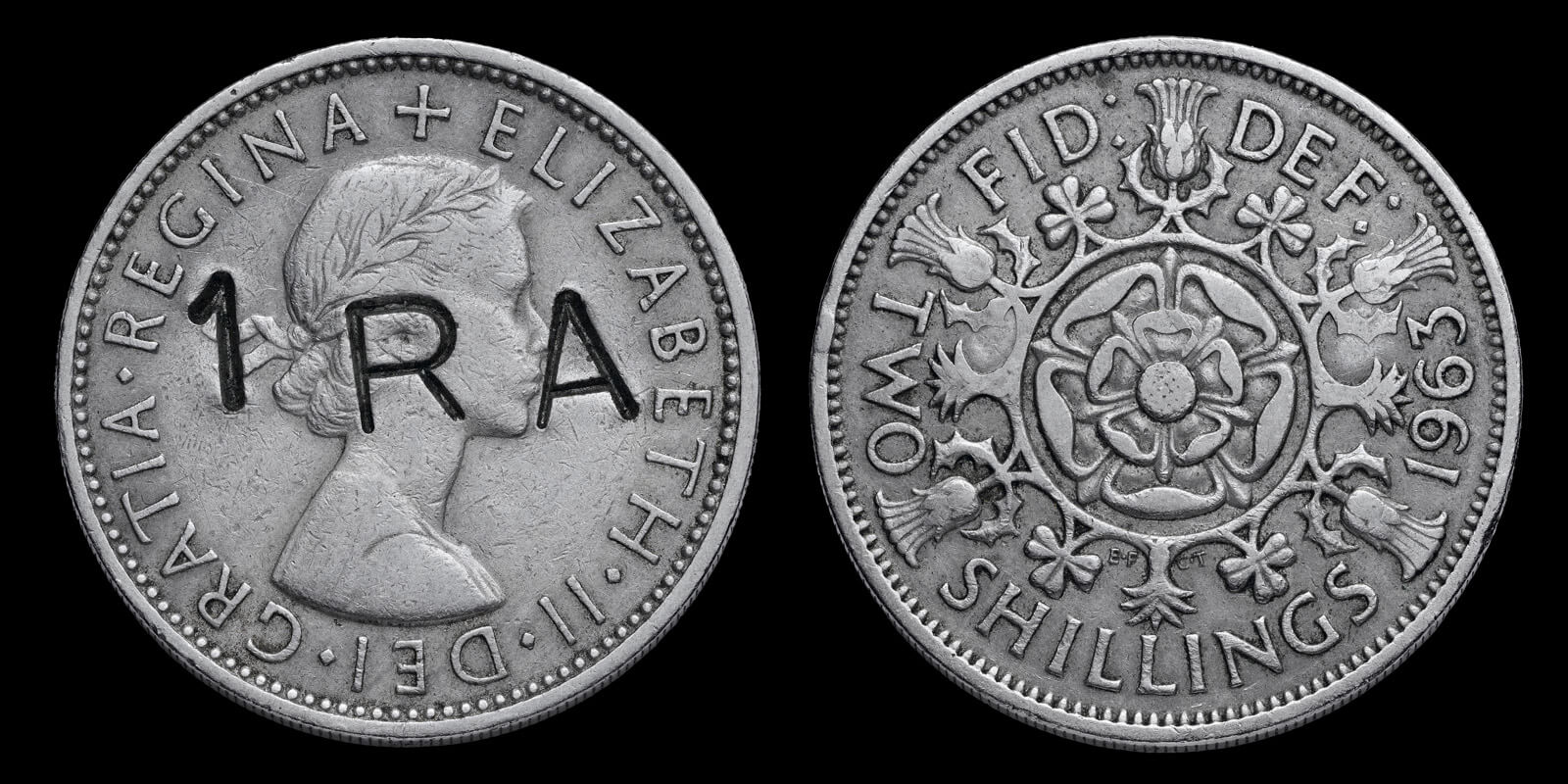
Some of our more challenging objects are maltreated coins which have been defaced to show support for paramilitary organisations. These coins show how the Ulster Volunteer Force (UVF) and the Irish Republican Army (IRA) have stamped the initials of their organisations across the coinage as a way of undermining the power of the state that they object to.
Defacing coins to spread a message has a long history. A penny from the collection of the Fitzwilliam Museum shows how supporters of the suffragette movement stamped VOTES FOR WOMEN across the face of the monarch. As an ordinary circulating coin, this piece would have the potential to be seen by many thousands of people, making it an effective way of advertising your cause.
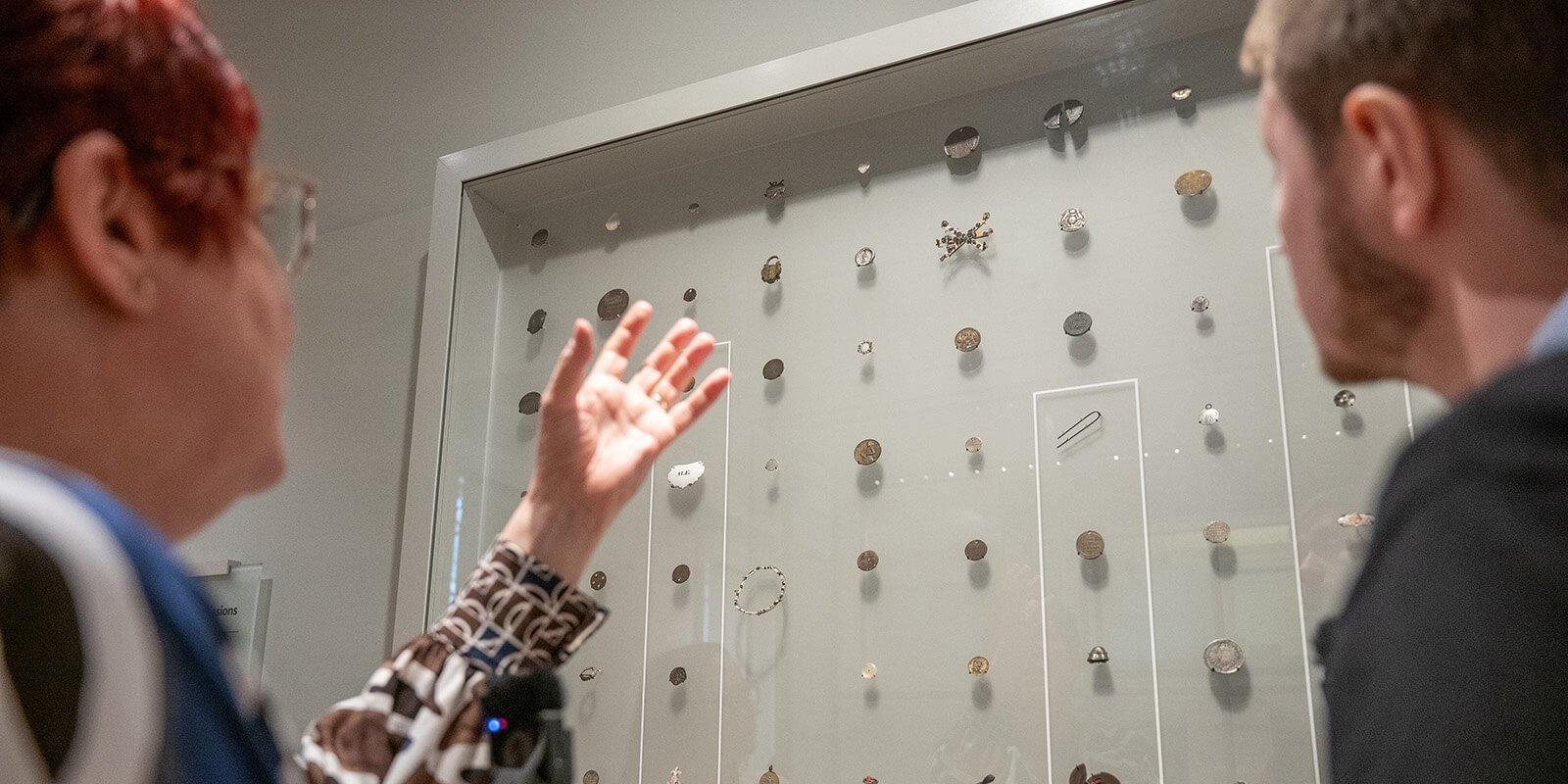
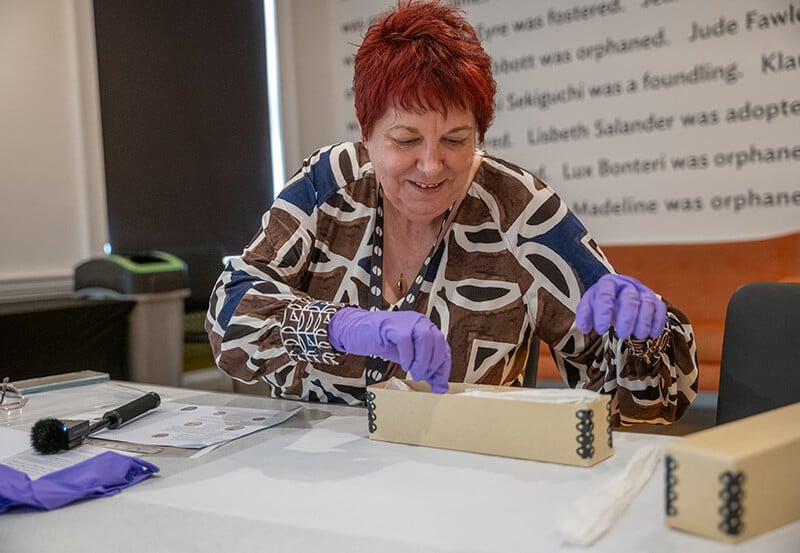
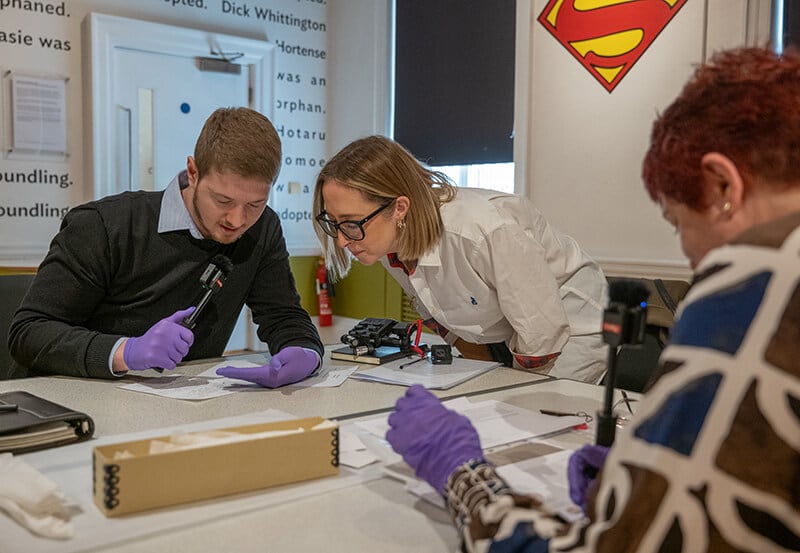
The Foundling Hospital opened in London in 1741 as a refuge for the children of destitute families.
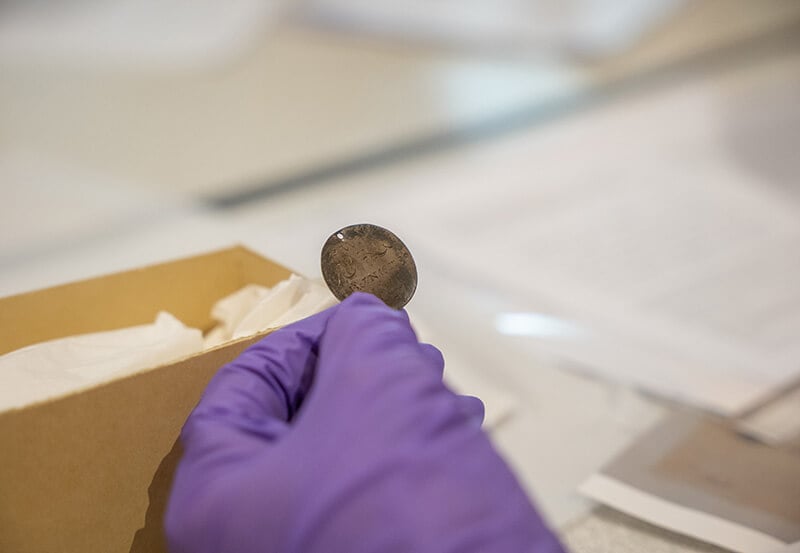
Between the 1740s and 1760s, mothers and fathers leaving their babies at the Hospital would leave them with a small object. These varied from handwritten notes to pieces of jewellery and, frequently, coins. Often engraved with the child’s name or a personal message, they were kept by the Hospital archive. Should the parent ever return and re-claim their child their token would identify them.
These deeply poignant objects of love, loss and hope symbolise the eternal bond between a parent and child. Find out more here.
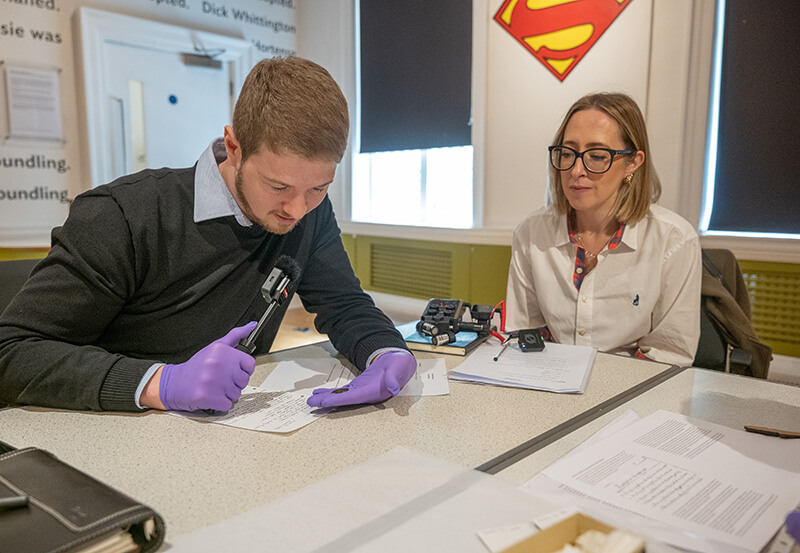
Our guests in this episode were Helen Pankhurst and Dr Janette Bright (Foundling Museum). Click here to find out more about them.

Episode 1
Whether in warships or life saving, Britain’s naval heritage has had a lasting impact on its currency for centuries. In this episode, explore the story of British naval history through coins of the past.
Episode 2
From pub signs to punk art, the robed and armed female figure of Britannia permeates British identity. Find out how this Classical figure developed through coinage and medallic art to become a figure of the nation.
Episode 3
The golden age of sail gave way to a world of global trade, where gold and silver could be sailed internationally for vast profit. Explore how the money made from and used for this trade shaped British history.