
Maritime Imagery
Episode 1
Whether in warships or life saving, Britain’s naval heritage has had a lasting impact on its currency for centuries. In this episode, explore the story of British naval history through coins of the past.
A trip to the seaside has become a staple of our summer. From dodging the showers and sandy icecreams, many of us have nostalgic memories of the beach. No trip to the seaside would be complete without a trip to the arcades, and most of us will remember the joy of making our pocket money disappear into a hungry machine. Whilst it is all too easy to make our coins disappear from our pockets, very few of us can make them reappear on demand. Yet, this enviable trick is a way that talented magicians have been amazing audiences for centuries.
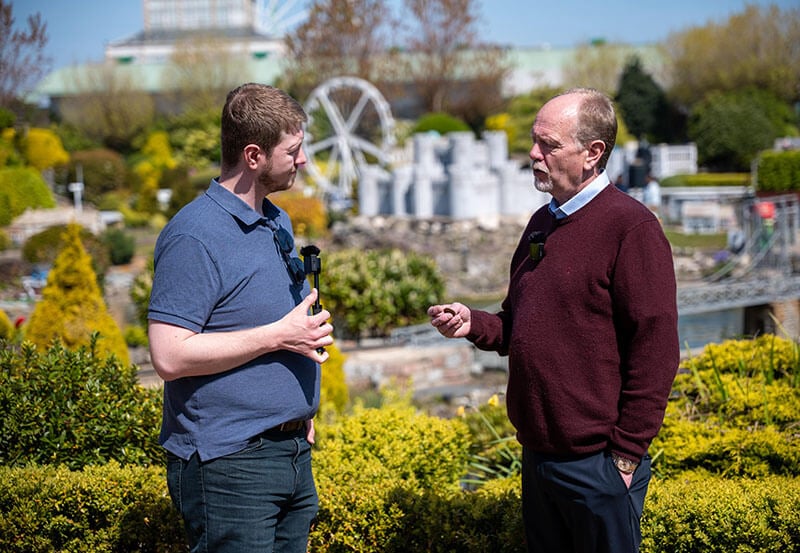
In this episode we delve into the fascinating world of games and magic. Join us on our trip to the coast to play on the best collection of old penny arcade machines in the country and as we talk to one of the nation’s top magicians to see why coins are perfect for illusions.
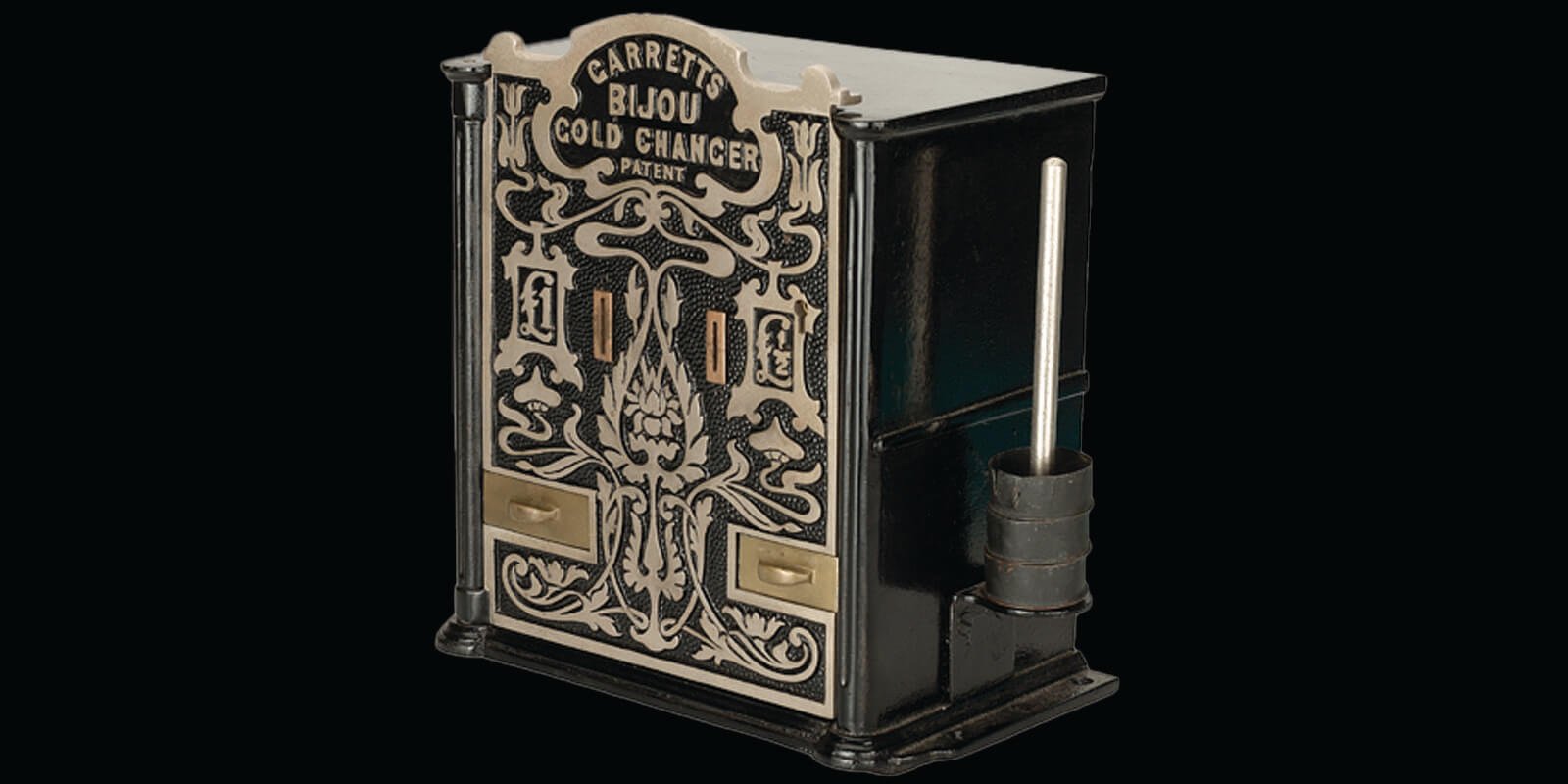
Due to the tightly controlled weight and diameter of the sovereign, this machine would have allowed someone to exchange their high value gold coin for a pocket full of small change which would have been much more useful in day-to-day spending.
You can find more information about this object on our website
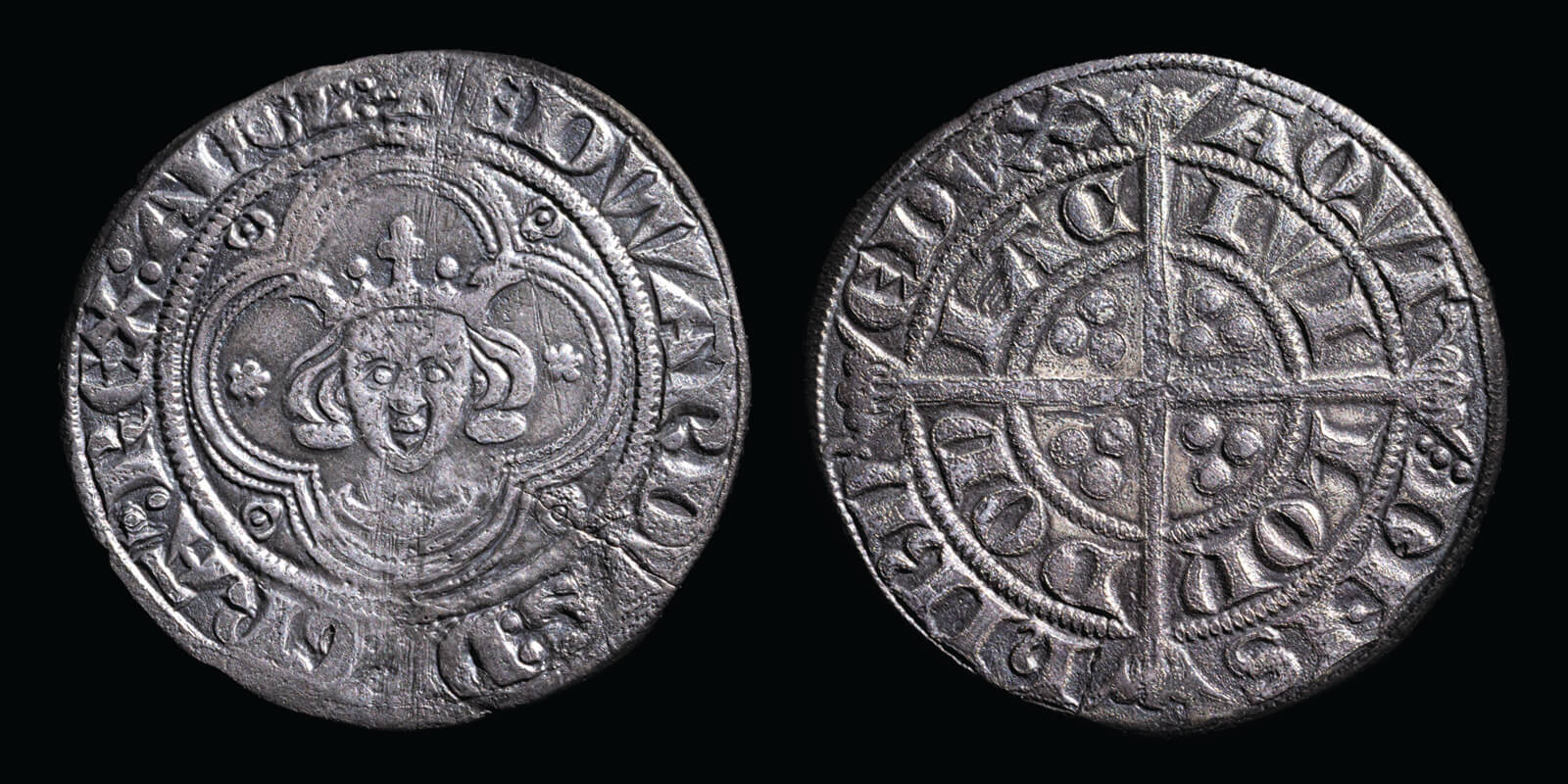
The first coin called a groat, worth fourpence, was introduced during the reign of Edward I in the late 1270s but did not become established until the 1350s during the reign of Edward III. They would have been in daily use by the 1580s when the book The Discovery of Witchcraft was written.
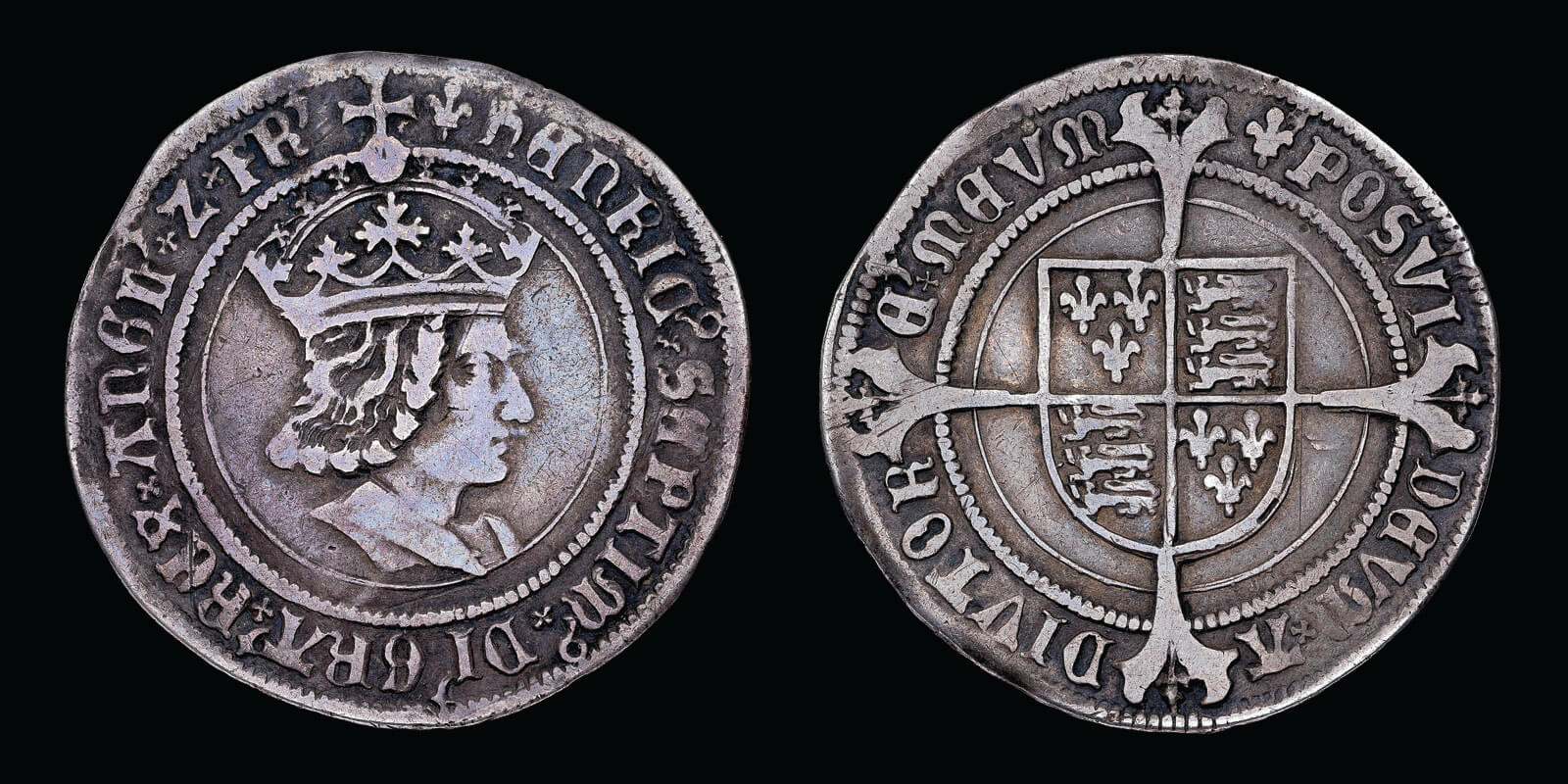
This new coin of 12 pence would have stood out when it was first introduced during the reign of Henry VII as, unlike other coins of the era, the testoon featured a realistic portrait of the King.
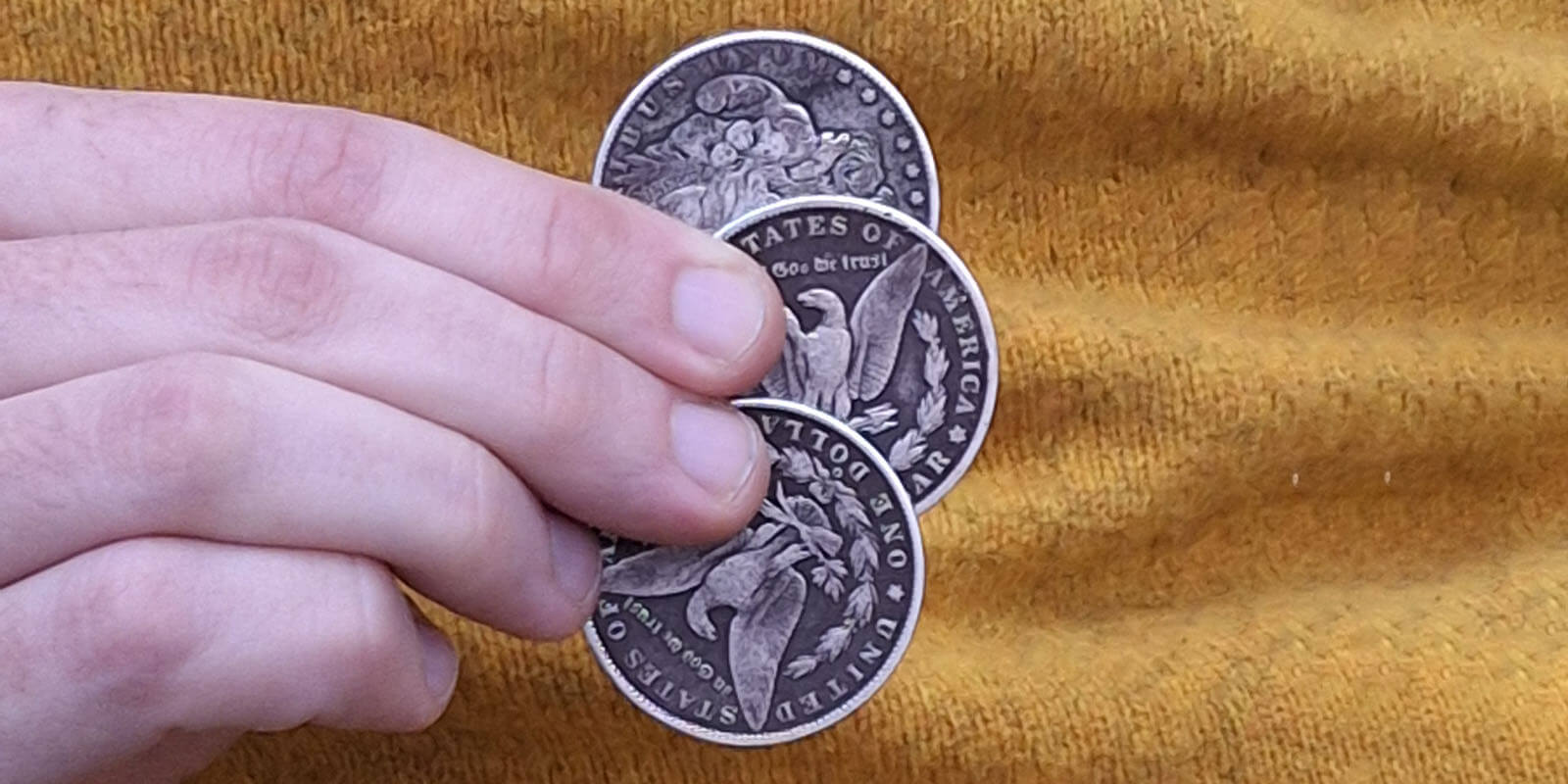
When performing coin magic, our interviewee, Will Houstoun uses ‘Morgan’ silver dollars. These are United States silver coins that were issued in the late 19th and early 20th century and gain their name from their designer, George Morgan.
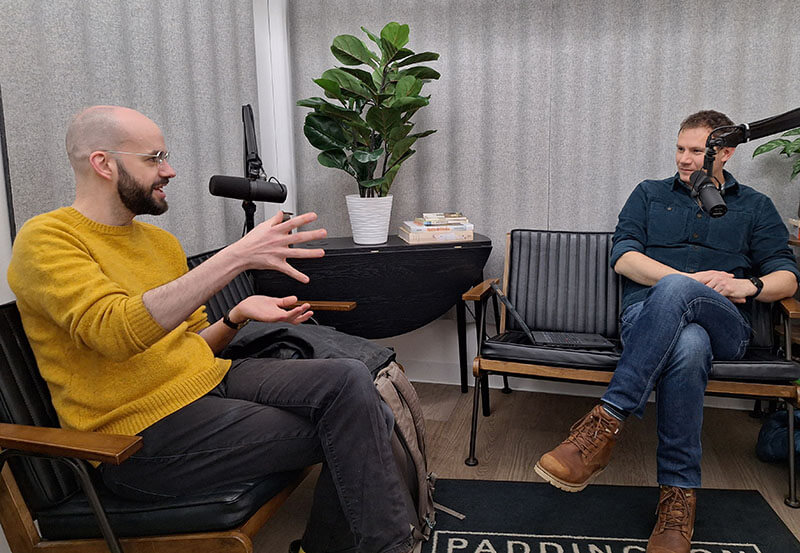
Our guests in this episode were Peter Williamson (Williamson's Old Penny Arcade) and Dr Will Houstoun. Click here to find out more about them.

Episode 1
Whether in warships or life saving, Britain’s naval heritage has had a lasting impact on its currency for centuries. In this episode, explore the story of British naval history through coins of the past.
Episode 2
From pub signs to punk art, the robed and armed female figure of Britannia permeates British identity. Find out how this Classical figure developed through coinage and medallic art to become a figure of the nation.
Episode 3
The golden age of sail gave way to a world of global trade, where gold and silver could be sailed internationally for vast profit. Explore how the money made from and used for this trade shaped British history.